China Top 10 Solar Panels on the Ground for Global Buyers?
In the competitive landscape of renewable energy, solar panels on the ground have forged a vital path for sustainability. Dr. Emily Chen, a leading expert in solar technology, emphasizes the importance of this shift, stating, “Solar panels on the ground can transform energy use, but awareness is crucial.”
Globally, the demand for efficient and reliable solar energy solutions is surging. Countries are turning to China, a powerhouse in solar panel manufacturing. The top 10 solar panels on the ground from China highlight innovation. They showcase efficiency, durability, and performance tailored for various environments, be it residential or commercial.
However, the journey is not without challenges. Some panels may underperform in specific conditions. Buyers need to assess their needs carefully. Understanding the differences in technology and application is key. Only then can global buyers make informed decisions about solar panels on the ground, securing a greener future while embracing potential pitfalls.
Overview of China's Solar Panel Market
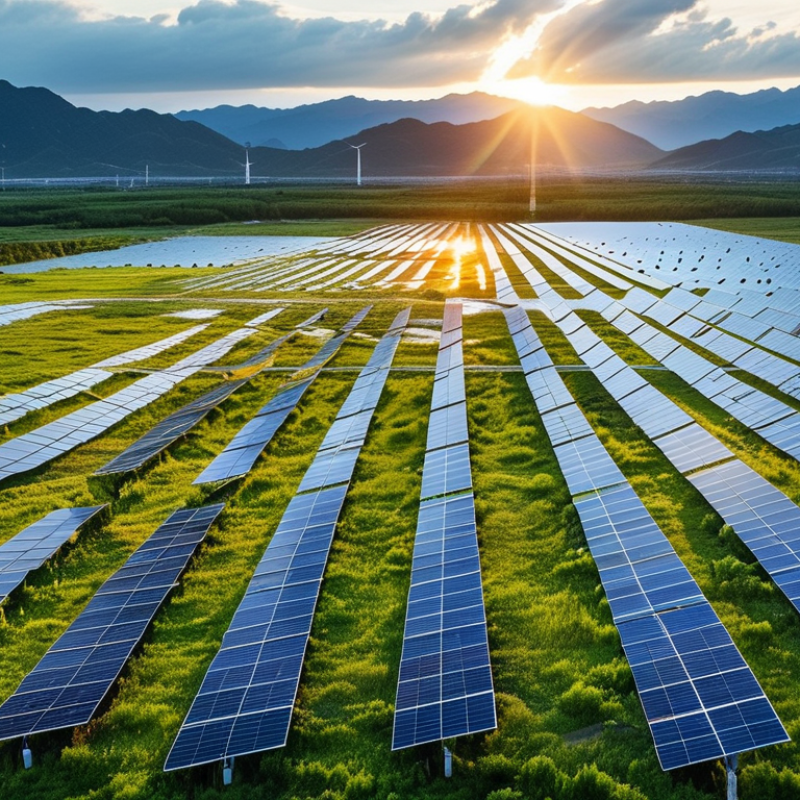
China's solar panel market has rapidly grown, establishing itself as a critical player globally. The industry benefits from abundant sunlight and a strong manufacturing base. A wide variety of panels are produced, catering to different needs. This produces fierce competition and drives innovation, which is both a strength and a challenge for manufacturers.
The rise in solar energy adoption also reveals some imperfections. While many companies strive for quality, there are discrepancies in manufacturing standards. Buyers may find it difficult to navigate through a myriad of unfamiliar brands. Understanding specific requirements is crucial to make informed decisions. Prospective buyers should carefully assess a manufacturer’s reputation and product certifications. The market's diversity can lead to confusion and potential misalignments with consumer expectations.
As the solar landscape in China evolves, continuous improvement is essential. Not all producers offer reliable products, and some technology may become outdated quickly. Staying informed about market trends and advancements can mitigate risks. Buyers often feel overwhelmed by options but seeking expert advice can lead to better choices. Knowledge is power in this ever-changing solar market.
Key Players in China's Solar Panel Manufacturing
China's solar panel industry has rapidly evolved over the years. A few major players dominate this market, known for their innovation and quality. They invest heavily in research and development. This focus ensures cutting-edge technologies in solar efficiency and durability. Their products are highly regarded by global buyers.
**Tip:** Assess the energy needs before choosing a solar panel. Understand your usage patterns and potential solar energy generation. This knowledge will guide you in selecting the right product that fits your requirements.
Manufacturers in China constantly adapt to changing technologies. However, some face criticism over environmental practices. This raises questions about their sustainability efforts. Buyers should consider these factors thoroughly.
**Tip:** Request environmental certifications for any solar panel. This helps ensure transparency in production practices. It’s vital for making informed choices.
The competition in China's solar market remains fierce. New entrants push established companies to innovate more. Quality control is crucial, but inconsistencies can occur. This should prompt buyers to conduct thorough research and read reviews. Stay informed to make the best decisions.
Top 10 Solar Panels: Features and Specifications
When considering solar panels for global markets, focusing on features and specifications is essential. Top options boast efficiency ratings often exceeding 20%. This means they convert over a fifth of sunlight into usable energy. Conversion rates are crucial, yet so are durability and warranty periods. A long warranty can indicate product confidence, but not all claims hold up in real-world conditions.
Another key factor is power output. Standard panels produce around 300-400 watts. However, advancements have led to higher outputs in compact sizes. This trend reduces the space needed on rooftops or ground installations. Yet, potential buyers should not overlook installation or maintenance requirements. Installing panels in suboptimal conditions can lead to underperformance.
Tips: Always review third-party testing results. These can provide insights into a panel's real-world performance. Look for panels with temperature coefficients below -0.4%/°C. This helps ensure efficiency in higher temperatures. Solar technology continues to evolve, but knowing the specifics of each option is paramount for informed choices.
Global Trade Trends for Chinese Solar Panels
The global market for solar panels is undergoing significant changes. China remains a dominant player in the solar panel industry. Recent trends show an increased demand from multiple countries for Chinese solar products. This demand is driven by affordability and advancing technology. Countries are looking to meet renewable energy goals effectively.
However, the landscape is not without its challenges. Some buyers express concerns about quality and sustainability. The sheer number of manufacturers can sometimes lead to inconsistency. Buyers must navigate varying product standards. Additionally, geopolitical factors can impact trade relationships. Tariffs and regulations may create hurdles for international transactions.
Despite these issues, interest in solar energy is surging globally. Many countries aim to harness cleaner energy sources. This push for sustainability aligns well with the offerings from Chinese manufacturers. Continued evaluation and collaboration may enhance trust between suppliers and buyers. As the market evolves, maintaining a balance between cost and quality remains crucial for all stakeholders.
Future Prospects of Solar Panel Technology in China
The future of solar panel technology in China is bright, with continuous advancements shaping the industry. In recent years, China has solidified its position as a global leader in solar energy. According to the International Energy Agency (IEA), China's solar power capacity exceeded 300 gigawatts in 2022, accounting for over 40% of the global total. This rapid growth showcases the country's commitment to renewable energy.
Innovations in materials and efficiency are essential for future developments. For instance, perovskite solar cells are showing great promise, with the potential to exceed 25% efficiency, compared to traditional silicon cells. A report from the National Renewable Energy Laboratory (NREL) indicated that these new materials could revolutionize solar technology. However, production scalability and stability remain challenges to overcome.
Sustainability is not just about efficiency. The industry's environmental impact is also under scrutiny. Recycling solar panels is growing more critical as installations increase. It's estimated that by 2030, roughly 78 million tons of solar panels will reach the end of their life cycle. This raises questions about long-term sustainability. Continued improvement is needed, as challenges persist. Investing in recycling technology will enhance the overall health of the solar ecosystem.
China's Top 10 Solar Panels: A Comparative Analysis