Why Choose Home Solar Installation for Your Energy Needs?
The growing demand for renewable energy is reshaping how we approach energy solutions in our homes. According to the Solar Energy Industries Association (SEIA), the U.S. residential solar market has grown by over 167% in the last decade. Home solar installation has become an attractive option for homeowners seeking to reduce their electricity bills and reliance on fossil fuels.
In 2022, solar installations accounted for nearly 30% of all new electric capacity added in the country. This trend reflects a shift toward sustainability and energy independence. Home solar installation not only provides financial benefits but also contributes significantly to lower carbon footprints.
However, this journey is not without challenges. High upfront costs and varying local regulations can deter potential adopters. Understanding the complexity of net metering and local incentives is crucial for informed decision-making. Despite these hurdles, the potential for long-term savings and environmental impact makes home solar installation a worthy consideration for many households.
Benefits of Home Solar Installation for Energy Independence
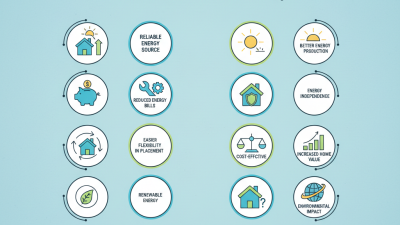
Home solar installation offers significant benefits for energy independence. One of the most compelling reasons to invest in solar power is the dramatic reduction in reliance on the grid. According to the U.S. Energy Information Administration, residential solar installations have increased by over 400% since 2014. This shift reflects a growing recognition of solar power as a reliable energy source.
Moreover, installing solar panels can drastically lower electricity bills. The National Renewable Energy Laboratory reported that homeowners can save an average of $20,000 over 20 years with solar energy. This not only frees up funds for other necessities but also reduces vulnerability to rising energy prices. However, the upfront costs can be a barrier for some. It’s essential for homeowners to weigh the long-term savings against initial investments.
In addition to financial advantages, solar energy enhances environmental sustainability. A report from the Solar Energy Industries Association states that solar systems can offset more than 100 tons of carbon dioxide over 30 years. Yet, some may question the ecological impact of manufacturing solar panels. This aspect warrants further reflection as the industry seeks to improve sustainable practices. As solar technology advances, the prospect of energy independence becomes increasingly attainable for homeowners.
Cost Savings: Analyzing the Financial Impact of Solar Systems
Home solar installation has become a practical choice for many homeowners. Data from the U.S. Department of Energy indicates that residential solar systems can reduce electricity bills by 50-90%. With energy prices on the rise, installing solar panels offers financial relief. Homeowners often see a return on investment in as little as five to seven years.
Moreover, the initial costs of solar installations can be offset by available incentives. The federal solar tax credit, for example, allows homeowners to deduct 26% of their installation costs from federal taxes. This incentive makes solar systems more accessible. Studies suggest that homes with solar installations can also experience increased property value, with some properties appreciating by up to $15,000.
While the benefits are clear, challenges exist. Not all homes are ideal for solar energy due to roof orientation or shading. It's crucial for potential buyers to conduct thorough assessments. Considering future maintenance costs is also essential. Understanding these factors ensures homeowners make informed decisions. Solar energy not only saves money in the long run but also contributes to sustainability.
Why Choose Home Solar Installation for Your Energy Needs? - Cost Savings: Analyzing the Financial Impact of Solar Systems
| Cost Factor |
Traditional Energy Source |
Solar Energy |
Annual Savings |
| Average Monthly Bill |
$150 |
$50 |
$1,200 |
| Installation Cost |
N/A |
$15,000 |
N/A |
| State and Federal Incentives |
N/A |
$4,500 |
N/A |
| Payback Period |
N/A |
13 Years |
N/A |
| Estimated Lifespan of System |
N/A |
25 Years |
N/A |
| Increase in Home Value |
N/A |
$15,000 |
N/A |
Environmental Advantages: Reducing Carbon Footprint with Solar Energy
Solar energy is a game changer in tackling climate change. It offers a cleaner alternative to fossil fuels, which emit high levels of carbon dioxide. According to the U.S. Department of Energy, solar power can reduce carbon emissions by over 80%. This significant drop reflects the potential of solar installations to contribute to a more sustainable future.
The environmental advantages of solar energy are profound. In 2021, the Solar Energy Industries Association reported that solar installations helped avoid over 100 million metric tons of CO2 emissions. This is equivalent to the annual emissions from 20 million cars. Such numbers highlight the meaningful impact of choosing home solar installation.
However, the transition to solar is not without challenges. Initial installation costs can deter homeowners. Additionally, not all regions receive the same level of sunlight, which could affect energy output. Despite these factors, the long-term benefits, including reduced utility bills and a smaller carbon footprint, make it an appealing option for eco-conscious individuals.
Efficiency and Technology: Innovations in Solar Panel Performance
The solar energy industry continues to evolve, bringing forth innovations in solar panel technology. A recent report by the International Renewable Energy Agency (IRENA) highlights a 20% increase in solar panel efficiency over the last five years. This surge in efficiency means that homeowners can now generate more energy from the same amount of sunlight. Advanced materials, such as perovskite solar cells, are pushing boundaries further. These cells offer potential efficiencies exceeding 30%, a significant leap from traditional silicon-based panels.
Technological advancements also enhance the reliability of solar installations. Smart inverters and energy management systems allow homeowners to optimize energy consumption and storage. These innovations help reduce reliance on the grid, particularly during peak hours. All these improvements boost energy independence and sustainability.
Nonetheless, challenges remain. The initial costs for installation can still deter many homeowners. Monitoring systems require maintenance, which adds to the overall expense. Additionally, varying sunlight conditions across regions can lead to inconsistent performance. Despite these hurdles, the future of solar technology looks brighter than ever. The ongoing research and innovations promise to make solar energy more accessible and efficient for all households.
Government Incentives: Understanding Tax Credits and Rebates for Home Solar
Home solar installation is becoming a popular choice for homeowners seeking renewable energy solutions. One significant advantage comes from government incentives. Tax credits and rebates play a vital role in making solar energy more accessible. According to the Solar Energy Industries Association (SEIA), the federal solar tax credit allows homeowners to deduct 26% of their solar installation costs from their federal taxes. This incentive can lead to substantial savings, impacting overall project costs positively.
State-specific rebates also enhance the financial appeal of solar installation. For example, California offers substantial rebates that can cover up to $1,000 per installation. These incentives are pivotal in reducing the initial financial burden associated with solar projects. Research indicates that nearly 90% of homeowners cite financial benefits as a key reason for choosing solar energy. However, it’s essential to scrutinize eligibility requirements, as program limitations can vary significantly by state.
While the incentives may be enticing, navigating the complexities can be daunting. Many homeowners feel overwhelmed by the paperwork or compliance demands. Keeping informed about changing regulations is crucial. However, the short-term challenges often lead to long-term energy cost reductions. Understanding these incentives is critical for those considering solar energy as a viable solution for home energy needs.