Best Ways to Get Solar Panels for Home in 2026?
As we move towards 2026, the demand for renewable energy continues to surge. Homeowners are increasingly looking to get solar panels for home use. According to Jonathan Green, a renowned expert in sustainable energy solutions, “Investing in solar panels is not just an environmental choice; it is a smart financial decision for the future.” This highlights the potential benefits that homeowners can reap by making the shift to solar energy.
Navigating the solar market can be daunting. Various factors come into play when aiming to get solar panels for home. From selecting reliable brands to understanding local regulations, the process might involve unexpected challenges. Additionally, some homeowners may face skepticism about the initial costs versus long-term savings. Balancing these factors can be quite complex.
Every homeowner should consider the importance of informed decision-making. Taking the time to research available options can lead to better choices. It’s crucial to consult with industry experts and read customer reviews. This ensures you get accurate and relevant information. In the end, successfully getting solar panels for home can significantly contribute to both personal savings and environmental sustainability.
Factors to Consider When Choosing Solar Panels for Home Use
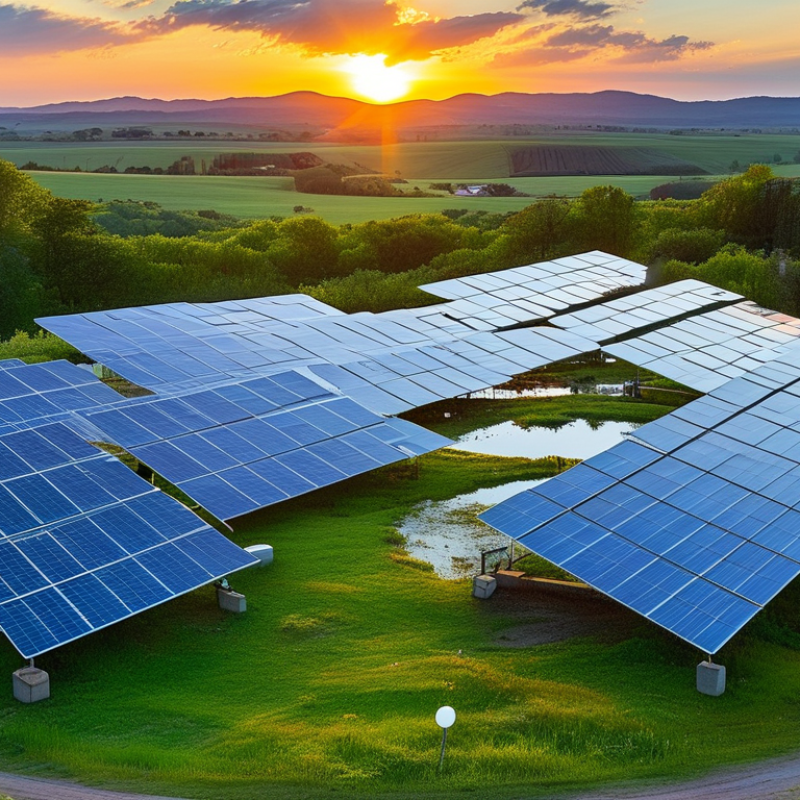
When selecting solar panels for home use in 2026, several factors come into play. First, efficiency plays a crucial role. According to the U.S. Department of Energy, the most efficient solar panels convert over 22% of sunlight into electricity. However, efficiency isn't everything. You need to assess how much sunlight your roof receives. Shadows from trees or buildings can significantly lower energy production.
Cost is another key consideration. The average price per watt for solar panels has dropped 70% since 2010. Yet, installation costs can vary widely. Protecting your investment is vital. Look for warranties that cover both the panels and the installer.
Tips: Research local incentives. Many states offer tax credits or rebates for solar installations. This can reduce upfront costs. Also, consider the longevity of the panels. Most high-quality panels last over 25 years, but performance degrades over time.
Finally, it's essential to involve trusted solar consultants. They can provide insights tailored to your situation. Many homeowners find that consulting with multiple sources helps clarify their choices. Remember, thorough research can save you money and energy in the long run.
Government Incentives and Rebates for Solar Panel Installation
Government incentives play a crucial role in making solar panel installation more affordable. In 2026, homeowners can expect a variety of rebates and credits. Many states offer tax credits for solar installations, significantly reducing upfront costs. These incentives often vary by location and may change frequently. It’s essential to check your local government’s website for up-to-date information. Always stay informed about any deadlines or qualifying criteria.
Tips: Reach out to local solar energy professionals to get specific advice tailored to your area. They can guide you through the paperwork and help you maximize the benefits. Also, look for community programs that provide additional financing options or grants. Collaborative efforts within neighborhoods can enhance resources and lower costs for all participants.
Research shows that participating in group purchasing programs can deliver substantial savings. Many homeowners overlook this aspect but joining forces can lead to better deals. However, be cautious of contracts and agreements. Ensure that you understand all terms before signing any document. Being informed can help you navigate potential pitfalls.
Comparing Solar Panel Financing Options for Homeowners
As homeowners consider solar panel installation in 2026, financing options are more relevant than ever. According to a recent report by the Solar Energy Industries Association, residential solar capacity is expected to grow by 30% over the next three years. This growth influences various financing methods available to homeowners.
One common option is solar loans. Homeowners can borrow to cover installation costs. The average interest rate is usually around 4-7%, which can affect long-term savings. There's also the possibility of using home equity to finance a solar project. However, this method ties your solar investment to your property, which may not be ideal for everyone.
Another popular choice is leasing. With leases, homeowners pay a fixed monthly fee. It eliminates upfront costs but may limit the financial benefits over time. Some homeowners may find the terms cumbersome, especially if energy prices fluctuate. Lastly, power purchase agreements (PPAs) can be a flexible option but can lead to less control over the system. Homeowners must carefully evaluate these choices to make the most informed decision.
Best Solar Panel Installation Companies in 2026
As homeowners consider solar panel options in 2026, choosing the right installation company is crucial. The landscape is evolving, and many reputable companies are emerging. These companies offer tailored solutions based on regional needs and advancements in technology. It's wise to evaluate local and national providers for their track record and customer feedback.
Tips for selecting a solar panel installation company:
- Always verify credentials. Check their licenses and certifications.
- Look for experienced teams that specialize in residential installations.
- Communication is key. Ensure they can address your specific concerns and provide clear timelines.
- Don't hesitate to ask about warranties and maintenance plans.
Another important factor is pricing transparency. Many companies have various financing options. Understanding your budget can impact your choice. Compare quotes but be cautious of unusually low prices, as they may sacrifice quality. While it may be tempting to prioritize savings, think long-term. The durability and efficiency of solar panels are significant. Proper installation ensures they last for years without issues.
Maintenance and Efficiency Tips for Home Solar Systems
Maintaining your home solar system is essential for maximum efficiency. Regular inspection helps identify issues early. Check for dirt or debris on panels. Dust buildup can reduce energy output significantly. Clean the panels with a gentle soap solution. Avoid harsh chemicals that may damage them.
Monitor the system's performance closely. Use apps to track energy production. If your output drops unexpectedly, investigate. Sometimes, it may be a simple fix, like adjusting the angle of the panels. However, it could signal a deeper issue. Inconsistent results can lead to higher energy costs.
Efficiency can fluctuate based on weather conditions and seasonal changes. In winter, solar panels may produce less energy. Snow and ice can obstruct sunlight. It’s crucial to be prepared for these variations. Consider seasonal maintenance, such as trimming nearby trees that may cast shadows. Regular upkeep not only boosts efficiency but also extends the lifespan of your solar investment.
Solar Panel Efficiency and Maintenance Costs in 2026
This chart illustrates the expected efficiency percentage and average maintenance costs for residential solar systems in 2026. Homeowners can anticipate an average solar panel efficiency of around 22%, while maintenance costs are estimated to be approximately $300 per year.