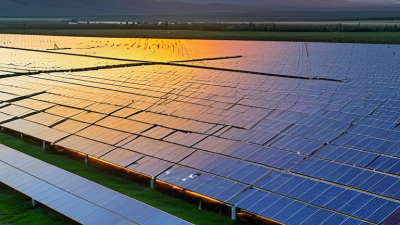
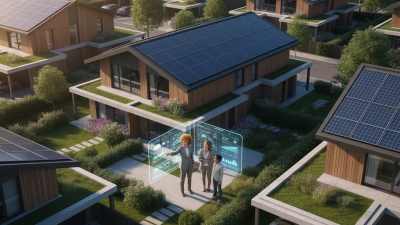
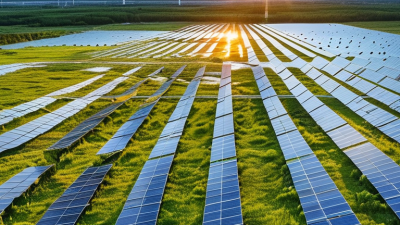
Installing solar panels on the ground is a strategic choice for maximizing efficiency and energy production. According to the Solar Energy Industries Association (SEIA), ground-mounted solar systems can increase energy output by up to 30% compared to rooftop installations. With advancements in solar technology, more homeowners and businesses are exploring this option. However, the installation process requires careful planning and understanding of environmental factors.
John Smith, a leading expert in solar energy systems, emphasized the importance of proper orientation and tilt. He stated, "The right installation can significantly enhance the performance of solar panels on the ground." Ground installations provide flexibility in design and layout, allowing for optimal sun exposure throughout the day. Yet, challenges remain. For instance, land availability and soil conditions can affect the choice of installation method.
Moreover, there is often a misconception that ground-mounted systems are more costly. In some cases, they can prove to be a more effective long-term investment. Despite their benefits, it’s crucial to consider site assessment and local regulations. Ground installations should be examined through a lens of practicality and sustainability. As the solar industry evolves, it becomes essential to continuously adapt and refine our approaches.
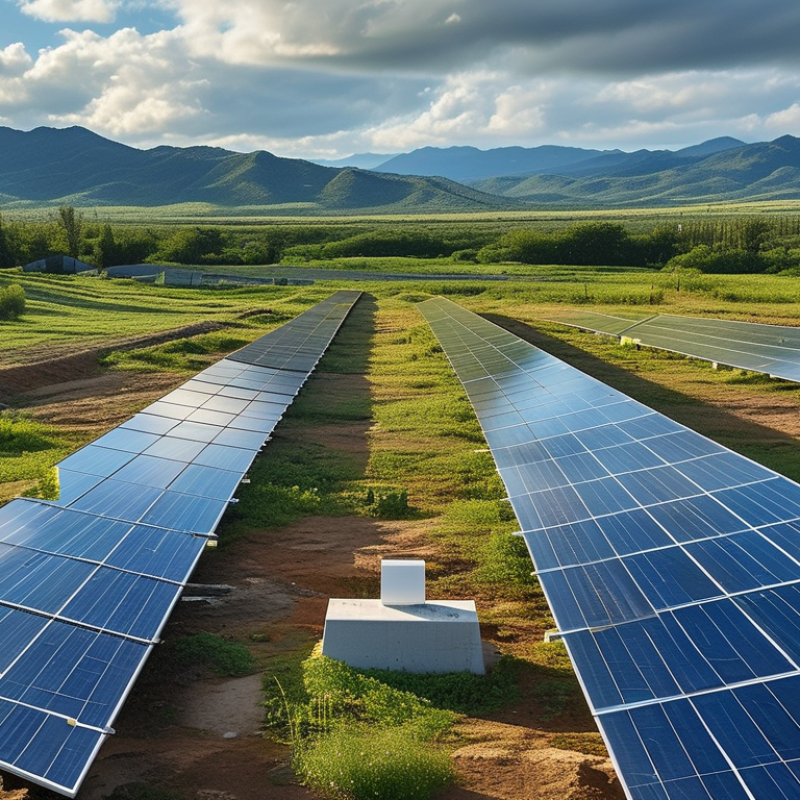
Choosing the right location for ground-mounted solar panels is crucial for maximizing energy efficiency. Opt for a site with direct sunlight for most of the day. Ensure there are no tall trees or buildings nearby that could cast shadows. The ideal angle for solar panels is typically 30 to 45 degrees. This angle helps capture sunlight effectively.
Soil quality and stability also play a significant role. Avoid areas with loose or sandy soil, as this can make installation challenging. In some cases, rocky ground might require additional tools for installation. Ensure you conduct a soil test before proceeding.
Consider local weather patterns. Areas with frequent storms or strong winds may need reinforced mounts. If you're unsure about the best practices, consult with local experts. Experience and knowledge about the region can help improve efficiency. Keep in mind that every site has its own challenges. Flexibility in your approach will deliver the best results over time.
When installing solar panels on the ground, understanding the optimal angle is crucial for maximizing efficiency. Studies show that the ideal tilt angle for solar panels can significantly impact their energy output. Generally, solar panels should be tilted at an angle that is equal to the latitude of the installation site. For instance, if you live at a latitude of 30 degrees, your panels should ideally be set at a 30-degree angle. This arrangement allows for optimal sunlight exposure throughout the year.
However, it is not always perfect. Seasonal adjustments might be necessary to capture more sunlight during winter months, when the sun is lower in the sky. Research indicates that adjusting the angle by 15 to 20 degrees in winter can increase energy production by as much as 10%. Many people overlook this aspect of solar panel installation. They often choose a fixed angle, which may not yield the best results. An adjustable mounting system could be a viable option for those willing to invest more upfront.
Wind exposure is another consideration. Panels installed at steeper angles may face more wind resistance, potentially leading to installation challenges. Ensuring that supports are robust is essential. Without proper reinforcement, panels may risk damaging or dislodging during storms. Evaluating local weather patterns will lend insight into how best to stabilize your installation against environmental factors.
| Site Location | Optimal Angle (Degrees) | Average Sunlight Hours (Daily) | Estimated Energy Output (kWh/year) |
|---|---|---|---|
| Location A | 30 | 5.5 | 7500 |
| Location B | 35 | 6.0 | 8000 |
| Location C | 40 | 5.0 | 7000 |
| Location D | 25 | 6.5 | 9000 |
| Location E | 28 | 5.8 | 7600 |
Calculating the proper spacing and layout for solar panels is crucial for maximizing efficiency. Begin by measuring the area where you plan to install the panels. Consider factors like sunlight exposure and shade from nearby trees. A layout that optimizes these elements can significantly enhance energy production.
When positioning your panels, maintain a distance between them to avoid shading. Ideally, each panel should be spaced at least three feet apart. This allows sunlight to reach each panel without interference. The angle of the panels is also important. Adjusting them according to your geographic location can capture maximum sunlight, especially during peak hours.
Tips: Regularly check the panels for dirt or debris. Even a small layer of grime can reduce efficiency. Additionally, consider seasonal variations in sunlight. During winter, lower angles may be more effective due to the sun's position. Revisiting your layout periodically can help maintain optimal performance and adapt to changing conditions.
Selecting durable mounting structures for ground solar installations is crucial for optimizing energy efficiency. Poorly chosen mounts can lead to installation errors and reduced performance. According to industry reports, a solid mounting system can increase output by up to 20%. When evaluating mounting options, consider local weather conditions, soil type, and anticipated lifespan. Ground mounts should withstand high winds and heavy snow loads.
Installation professionals recommend choosing materials like galvanized steel or aluminum. These materials provide excellent resistance against corrosion. Weight capacity is another factor; mounts must support the entire solar system’s weight without risk of failure. Regular inspections are recommended to ensure structural integrity, particularly after severe weather events.
It is easy to overlook the importance of your site’s layout. Solar arrays should not be placed in shaded areas. Sun exposure directly impacts energy production. Conducting a sun path analysis can help position arrays for maximum sunlight. Ensure there is adequate space between panels for maintenance and airflow. A restless installation may seem appealing, but it can lead to significant issues later on. Always plan for flexibility in design adjustments.
When planning to install ground-mounted solar panels, it’s crucial to understand local regulations and required permits. Different regions have varying rules regarding solar installations. These regulations are in place to ensure safety and compliance with zoning laws. It’s important to check with local authorities before starting your project. This could save you from costly fines or the need to remove equipment later.
Consider contacting local utility companies as well. They might have specific guidelines or requirements, including grid connection protocols. Many regions also require an inspection to ensure the installation complies with safety standards. This step can sometimes be overlooked in the excitement of installation, but it’s essential for long-term functionality.
Some tips to keep in mind: Verify any setbacks required for your land. These are minimum distances your solar array must maintain from property boundaries. Always keep the application process organized. Documentation should be clear and accurate. This will speed up approval times. Protect your investment by ensuring compliance with all local regulations. A little diligence now can prevent major headaches later.