Skip to content

Top Solar Energy Products to Watch in 2026

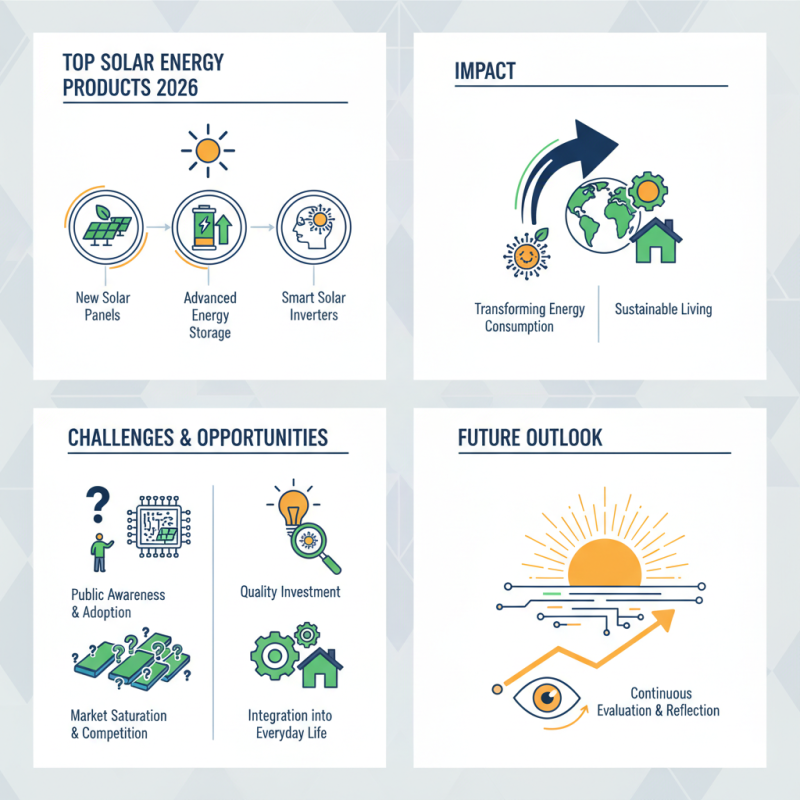
As we look forward to 2026, the solar energy products market continues to evolve rapidly. Experts emphasize the potential of these innovations in transforming energy consumption. John Smith, a leading figure in renewable energy, stated, "The solar energy products of tomorrow will shape sustainable living for generations." His words underline the significance of innovation in this field.

New solar panels, advanced energy storage solutions, and smart solar inverters are just a few products on the horizon. These technologies promise to enhance efficiency and accessibility. Yet, challenges remain. Public awareness and adoption rates often lag behind technological advancements.

Moreover, the competition can lead to saturation, with countless products vying for attention. Consumers need to be discerning. Investing in quality solar energy products is essential to achieve real benefits. As we progress, the focus should remain on integrating these technologies into everyday life. The future of solar energy products is bright, but continuous evaluation is vital. We must reflect on our choices and their impact on our world.
Top Solar Energy Products to Watch in 2026

Emerging Solar Technologies Expected to Transform the Industry by 2026

The solar industry is on the brink of a revolution. New technologies promise to reshape how we harness sunlight. One standout innovation is bifacial solar panels. These panels absorb sunlight from both sides, increasing energy production. They could significantly boost efficiency in sunny locations. However, production costs remain a concern for wider adoption.

Another promising development is the advent of transparent solar cells. Imagine windows that generate power while letting light in. This could lead to energy-efficient buildings. Yet, there are questions about durability and cost. Researchers are still exploring how to improve these cells for real-world applications.

Energy storage solutions are also evolving. Advanced batteries can store solar energy for use at night or during cloudy days. This could provide a more reliable energy supply. However, the environmental impact of these batteries raises serious questions. Recycling methods need improvement. The path to an efficient solar future is not without hurdles, but the innovations emerging by 2026 could redefine our energy landscape.
Innovative Solar Panels: Efficiency Gains and New Designs to Watch

The solar energy market is evolving rapidly. Innovative solar panels are at the forefront of this change. Efficiency gains are crucial as demand for clean energy surges. According to industry reports, the average efficiency of solar panels has reached 22.5%. This marks significant progress from just a decade ago. By 2026, new designs could push efficiency even higher.

One area to watch is bifacial solar panels. They capture sunlight from both sides. This design can boost overall energy output by 10-20%. This increase can make a substantial difference for residential and commercial installations. However, the initial costs remain a concern for many consumers. Investment needs careful consideration.

Another trend is the integration of transparent solar cells. These can be used in windows and buildings. They hold promise for urban environments. Some studies predict that transparent solar technology could grow by 40% by 2026. Yet, scalability and efficiency issues persist. While the potential is vast, these products require further refinement. Are consumers ready for such a transition? Only time will tell.

Storage Solutions: The Future of Solar Energy and Battery Technologies

Top Solar Energy Products to Watch in 2026

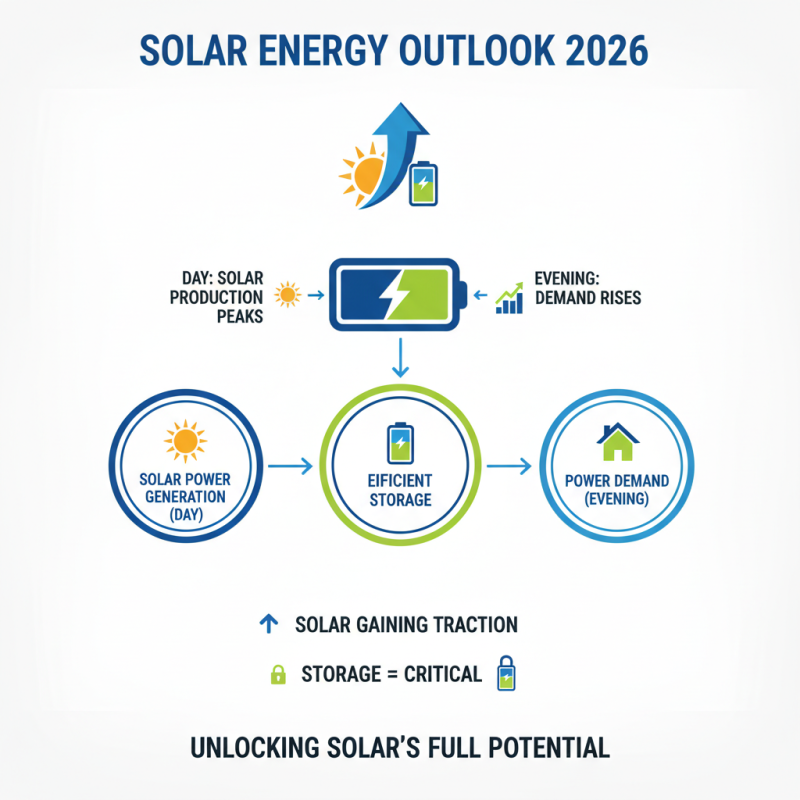
As we look towards 2026, solar energy continues to gain traction. Yet, storage solutions are the critical piece of the puzzle. Efficient battery technologies are essential for harnessing solar power's full potential. Solar energy production peaks during the day. However, demand often rises in the evening. This disconnect highlights the need for better energy storage.

Innovative battery technologies aim to address these challenges. From lithium-ion to emerging solid-state batteries, advancements are promising. These solutions can store more energy at a lower cost. They ensure that excess energy collected during the day is available when needed. However, not all batteries are created equal. Some may degrade faster than expected, reducing efficiency over time. This aspect needs careful consideration.

**Tips: Consider energy needs.** Analyze your usage patterns before choosing a storage solution. **Watch for advancements.** Stay informed about the latest technologies. They can significantly impact performance and costs. **Think long-term.** Investing in quality storage can yield better returns over time. Battery choices today influence energy independence tomorrow.

Smart Solar Systems: Integration with IoT and Smart Grids in 2026

As we move towards 2026, the landscape of solar energy will see transformational shifts. Smart solar systems will play a crucial role in this evolution. They will integrate seamlessly with the Internet of Things (IoT) and smart grids to enhance efficiency. According to industry reports, solar energy could account for nearly 30% of global electricity by this time. It's a remarkable shift toward sustainability.

IoT devices will optimize energy consumption in homes and businesses. Smart meters and connected appliances will communicate with solar systems. This real-time data management will adjust energy use based on availability. However, stakeholders must address security concerns. Data breaches could pose risks in interconnected systems.

Tips: Monitor the latest advancements in IoT technology. Understanding the potential vulnerabilities is essential. Also, engage with local energy policymakers. Their decisions will shape the infrastructure of smart grids. Emphasize the importance of smart integration. This will ensure optimal energy usage and sustainability for future generations.

Government Policies and Market Trends Affecting Solar Energy Adoption

Government policies significantly shape solar energy adoption. In many regions, incentives drive the market. Tax credits and rebates encourage homeowners to switch to solar. Some states have ambitious renewable energy goals. However, these policies vary widely, which creates uncertainty. Market trends fluctuate, impacting investment decisions and technology advancements.

The demand for solar products grows as costs decrease. Consumers are more educated about their energy choices. Home solar systems become more accessible. Installations increase in urban and rural areas alike. However, challenges remain. Some homeowners still face high upfront costs. Others struggle with understanding complex regulations.

Tips: Research local incentives and policies. Understanding your area's requirements can save time and money. Consult with experts to navigate the options. Don't overlook the importance of community feedback. Engage with neighbors who installed solar systems. Their experiences can guide your decisions, potentially saving you from common pitfalls.