Why Are Solar Panel Roof Mounts Essential for Efficient Energy Generation?
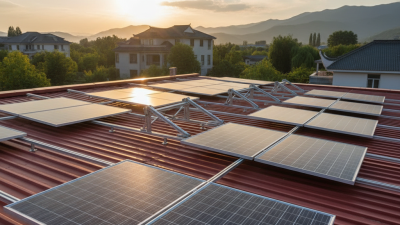
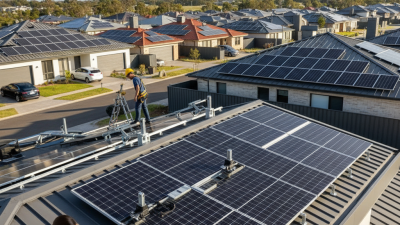
The efficiency of solar energy generation largely depends on the installation of solar panel roof mounts. Experts like John Smith, a leading figure in renewable energy, emphasize their importance. He stated, "Correct mounting enables optimal sun exposure and energy capture." Without proper mounts, even the best solar panels may underperform.
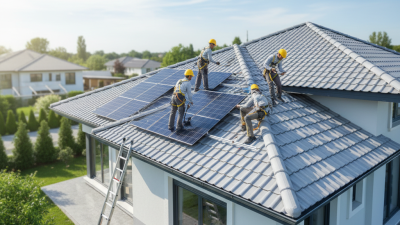
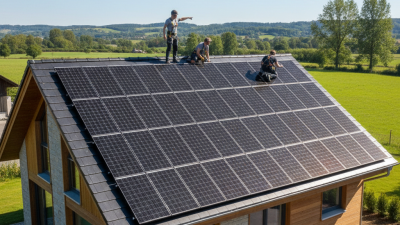
Solar panel roof mounts ensure panels are angled correctly. This positioning maximizes sunlight absorption throughout the day. A well-installed system can increase energy production significantly. However, installation mistakes can lead to efficiency losses.
Homeowners often overlook the significance of quality mounts, prioritizing panels over installation details. Not every roof is suitable for solar setups. Understanding the unique features of roof mounts can lead to better energy generation. Investing time and resources in quality installations pays off long-term. Proper solar panel roof mounts result in a reliable and efficient energy system.

Importance of Solar Panel Roof Mounts in Energy Generation
Solar panel roof mounts are crucial for maximizing energy generation. Proper mounts ensure panels are positioned at the optimal angle. This angle captures sunlight more effectively throughout the day. The difference in energy produced can be significant. For example, a well-angled array can increase output by over 20%.
Additionally, sturdy mounts protect solar panels from harsh weather. They reduce the risk of damage from wind or snow. Poorly installed mounts may lead to misalignment. Misalignment means less energy capture. It's essential to consider the roof's orientation and structural integrity during installation.
Effective energy generation requires careful planning and execution. A reliable installation setup can enhance system lifespan and performance. However, not all installs meet these standards. Users should evaluate their options thoroughly. Small oversights can lead to disappointing results. A few minutes of research might reveal a better strategy.
Types of Roof Mounts for Solar Panels: Fixed vs. Adjustable Options
Solar panel roof mounts play a vital role in energy generation. Choosing the right type enhances efficiency and longevity. There are two main options: fixed and adjustable mounts. Fixed mounts are simpler and cheaper. They are designed for optimal angle based on typical sunlight patterns. These mounts offer stability and minimal maintenance. However, their rigidity can be a limitation. They may not capture as much sunlight during seasonal changes.
Adjustable mounts offer versatility. They allow users to change angles with the sun’s seasonal path. According to industry experts, adjustable mounts can improve efficiency by 20% or more. They require more investment and maintenance. However, their long-term benefits may outweigh these costs. A study found that homes with adjustable systems saw a significant reduction in energy bills. Yet, installation can be complex and needs careful planning.
Choosing the right mount involves personal and environmental factors. Each home is unique, and so are energy needs. Some homeowners may prefer simplicity, while others seek maximum efficiency. It’s essential to assess these factors before making a decision. The balance between cost, efficiency, and ease of use varies for everyone. Engaging a professional can clarify these complex decisions.
Why Are Solar Panel Roof Mounts Essential for Efficient Energy Generation?
| Type of Roof Mount |
Description |
Efficiency |
Cost (USD) |
Installation Time |
| Fixed Roof Mount |
A mount that holds panels in a stationary position at a specific angle. |
Good for locations with consistent sunlight. |
$1,200 - $2,000 |
3-5 hours |
| Adjustable Roof Mount |
Allows tilt and angle adjustments to maximize sun exposure. |
Higher efficiency compared to fixed mounts. |
$1,500 - $2,500 |
4-6 hours |
| Ballasted Roof Mount |
Uses weights to secure panels without penetrating the roof. |
Suitable for flat roofs with limited structural support. |
$1,000 - $1,800 |
3-4 hours |
| Ground Mount |
Installed on the ground instead of the roof for better sun access. |
Can utilize tracking systems for maximum efficiency. |
$2,000 - $3,500 |
5-7 hours |
Factors Influencing Roof Mount Installation for Optimal Performance
When installing solar panel roof mounts, several factors significantly influence their effectiveness. The angle and orientation of the roof can dramatically impact energy production. Reports indicate that a southern exposure can enhance energy generation by up to 20%. Roof pitch also matters; a slope of 30 degrees often yields optimal sunlight exposure in many regions.
Material is another key consideration. Certain roofing types are more suited for mounts, ensuring durability and stability. For example, asphalt shingles typically support installations better than tile roofs. Additionally, the installation process itself can greatly affect performance. Experienced installers understand the nuances of securing panels without compromising the roof’s integrity. This expertise can minimize potential damage down the line.
Local climate plays a critical role, too. In areas prone to snow or heavy rain, proper drainage design is essential. Ignoring these elements may lead to inefficiencies and increased maintenance costs. Each installation must consider these local conditions to optimize energy generation and ensure longevity. These factors highlight the complexity of solar panel roof mounts, requiring careful planning and skilled execution.
Impact of Roof Mount Orientation and Angle on Energy Efficiency
The orientation and angle of solar panel roof mounts play a critical role in energy efficiency. A study by the National Renewable Energy Laboratory (NREL) indicates that a south-facing array can boost energy generation by up to 20% compared to one facing east or west. This highlights the importance of careful planning when installing solar systems.
Tilting panels at an optimal angle maximizes exposure to sunlight. For example, the ideal angle often ranges from 30 to 45 degrees in many regions. However, individual circumstances might require adjustments. Obstructions like trees or buildings can create shadows and reduce efficiency. According to a report by the Solar Energy Industries Association (SEIA), even a small amount of shading can decrease energy output by more than 50% at certain times of day.
In addition to orientation, seasonal changes can impact energy generation. Solar panels may need different angles during winter compared to summer. This adaptability can improve performance but requires effort and expertise. Homeowners should consider these factors to avoid potential inefficiencies and maximize their systems' potential. Regular evaluations and adjustments based on real-time data can greatly enhance energy yield.
Impact of Roof Mount Orientation and Angle on Solar Energy Efficiency
Best Practices for Maintaining Solar Panel Roof Mounts for Longevity
Maintaining solar panel roof mounts is crucial for energy efficiency. These mounts secure panels in place, ensuring they catch sunlight. Over time, accumulation of dirt, debris, and various weather conditions can affect their performance. Regular inspection and cleaning can help mitigate these issues.
Tips for maintenance include checking for rust or corrosion every few months. If you notice any damage, replace components promptly. Cleaning the mounts can be as simple as using a soft brush or cloth to remove dirt, which helps in preserving their integrity. Additionally, ensure that bolts and screws are tightened to prevent any shifting or instability.
Seasonal maintenance is also key. In winter, clear snow and ice from the mounts. Heavy snow can cause stress on the mounts. In summer, inspect seals for wear. Early detection of issues can extend the lifespan of your solar panel roof mounts. With proper care, these structures can provide reliable support for years.