2026 How to Choose the Best Energy Panels for Your Home?
As we approach 2026, selecting the best energy panels for your home is crucial. According to the International Energy Agency, solar energy accounts for nearly 20% of global electricity production. This trend underlines the growing importance of energy panels. Yet, the market is filled with options, making it hard to choose wisely.
Expert David Green, a leading authority in renewable energy, stated, "The right energy panels can significantly reduce your utility bills and carbon footprint." His insight emphasizes the need for careful evaluation when selecting energy panels.
Various factors come into play, such as efficiency ratings, warranty options, and local climate. Consumers should be aware that not all panels are created equal. Some may not perform well under specific conditions. Making an informed choice is essential for long-term benefits. Balancing cost with quality will ensure you select suitable energy panels for your needs.
Understanding Different Types of Energy Panels Available in the Market
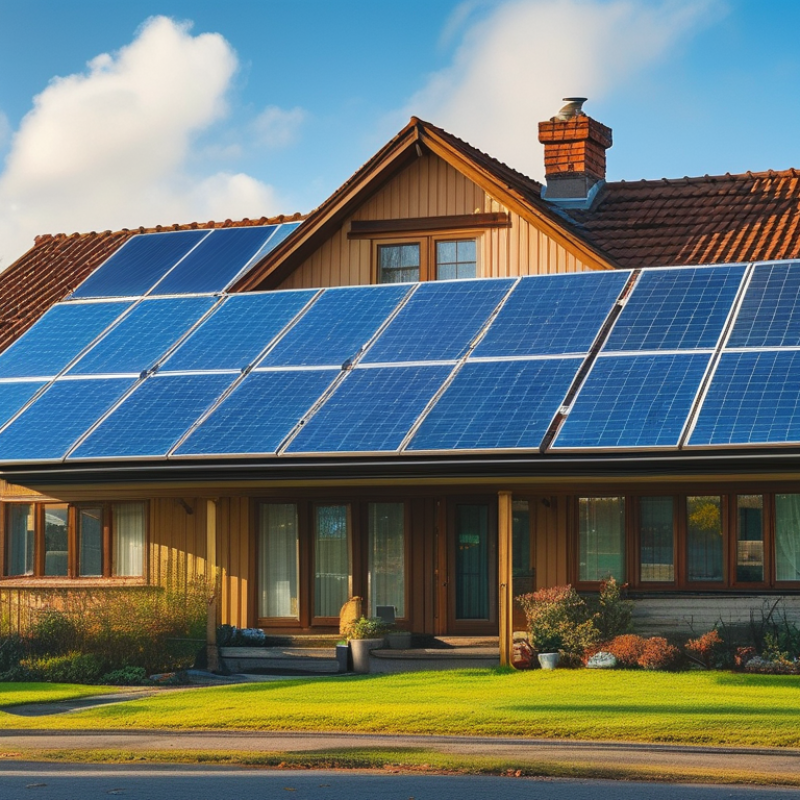
When choosing energy panels for your home, consider the various types available. Solar panels dominate the market. They convert sunlight into electricity. According to the Solar Energy Industries Association (SEIA), solar installations increased by 43% in 2022. This growth reflects their popularity as a renewable energy source.
Next, explore wind panels, though they are less common for residential use. Wind energy accounts for about 8% of total U.S. electricity generation, reports the U.S. Department of Energy. Small wind turbines can be effective in suitable locations, but they require space. Their efficiency often relies on consistent wind patterns.
Another option is solar thermal panels, used for heating water. They can reduce your utility bills significantly, especially in sunny climates. However, installation costs can be higher than traditional solar panels. Each type has its pros and cons. Understanding these can be challenging yet crucial for your decision. It’s essential to evaluate your home's specific energy needs and local resources.
Evaluating Your Home’s Energy Needs and Usage Patterns
When considering energy panels for your home, evaluating your energy needs is crucial. Start by analyzing your current electricity usage. Review past utility bills to track your consumption patterns. Identify peak usage times. This will help you understand how much energy you need to produce.
Consider your household size and lifestyle. More occupants typically mean higher energy demands. Additionally, examine any appliances that consume substantial power. It’s essential to factor in seasonal variations too. For instance, air conditioning needs rise in summer. This detailed review will provide clarity on the capacity required for your energy panels.
Don't overlook the impact of local climate on energy generation. Some regions receive more sunlight, which affects panel efficiency. A house shaded by trees or buildings may not capture adequate sunlight. You might need more panels to meet your needs. Understand this complexity; it may require adjustments and re-evaluation over time. Asking for professional advice can further enhance your understanding.
Energy Consumption Patterns by Source (2026)
Comparing the Efficiency and Cost of Various Energy Panels
When selecting energy panels for your home, efficiency and cost are key factors. Efficiency measures how much sunlight is converted into usable electricity. Traditionally, monocrystalline panels have stood out for their high efficiency. However, they come with higher costs. In contrast, polycrystalline panels are more affordable but generally offer lower efficiency. This trade-off may impact your long-term savings.
It's also essential to evaluate installation costs and the space available on your roof. Some panels are bulkier and require more room. The installation process varies in price, adding to your overall investment. Many homeowners overlook these costs, which can lead to budgeting issues later.
Another aspect involves the warranty and expected lifespan of the panels. Some claim longer durability yet don't guarantee performance. Researching the average lifespan in your region can provide insight. It’s not just about upfront costs; long-term reliability matters too. Consider discussing these factors with a knowledgeable installer. This can help clarify your choices and improve your decision-making process.
Considering Local Regulations and Incentives for Energy Panel Installation
When considering energy panel installation, local regulations and incentives are crucial. Many states offer tax credits and rebates for solar energy systems. According to the Solar Energy Industries Association (SEIA), homeowners can save an average of 26% due to federal tax credits. These incentives can significantly reduce initial costs, making solar panels more accessible.
Local building codes may also dictate panel placement and design. Some regions require specific spacing or have aesthetic guidelines. It’s vital to check local regulations before installing panels. For example, some areas might restrict rooftop installations or require special permits. Understanding these rules can prevent potential fines or delays in your project.
Additionally, regional energy policies can impact your decision. Some states promote renewable energy through net metering programs. This approach allows homeowners to sell excess energy back to the grid. However, policies vary widely. A homeowner might feel overwhelmed by the details and constantly changing regulations. Researching local ordinances and consulting with a professional can clarify complex situations. Ignoring these aspects could lead to wasted investments or incomplete installations.
2026 How to Choose the Best Energy Panels for Your Home? - Considering Local Regulations and Incentives for Energy Panel Installation
| Category |
Description |
Local Regulations |
Incentives Available |
Estimated Cost ($) |
| Solar Panels |
Convert sunlight into electricity, suitable for residential use. |
Must comply with local zoning laws and building codes. |
Federal tax credit up to 26% and state rebates. |
10,000 - 30,000 |
| Wind Turbines |
Use wind energy to generate electricity, ideal for windy areas. |
Height restrictions apply; must adhere to FAA regulations. |
Incentives may vary; check local government programs. |
40,000 - 70,000 |
| Energy Storage Systems |
Store excess energy generated for later use, enhances reliability. |
Follow local safety and installation regulations. |
Tax credits and rebates for battery storage systems. |
7,000 - 15,000 |
| Geothermal Heat Pumps |
Utilize the earth's constant temperature for heating and cooling. |
Requires permits and site assessment before installation. |
Federal tax credits available for installations. |
10,000 - 30,000 |
Assessing Quality, Warranty, and Maintenance Requirements of Energy Panels
When considering energy panels for your home, prioritize quality. High-quality panels usually have better efficiency and longevity. Look for panels that are certified by reputable organizations. These certifications indicate adherence to industry standards. Additionally, check the materials used in manufacturing the panels. Good materials often lead to better performance.
Warranties are crucial. They provide peace of mind and indicate the manufacturer’s confidence in their product. Typical warranties range from 10 to 25 years. Be cautious of panels with shorter warranties; they may not be durable. An extensive warranty often reflects a commitment to quality.
Maintenance is another key aspect. Regular inspections can prolong the life of your energy panels. Ensure your chosen system allows for easy access to components. Consider how often you would need maintenance. Performing routine checks can help catch issues early.
Tips: Look for panels with minimal maintenance needs. Research the reputation of the company’s service teams. Consider how the panel's design may impact cleaning efficiency.