Skip to content

10 Best Tips for Installing Solar Panels on Roofs

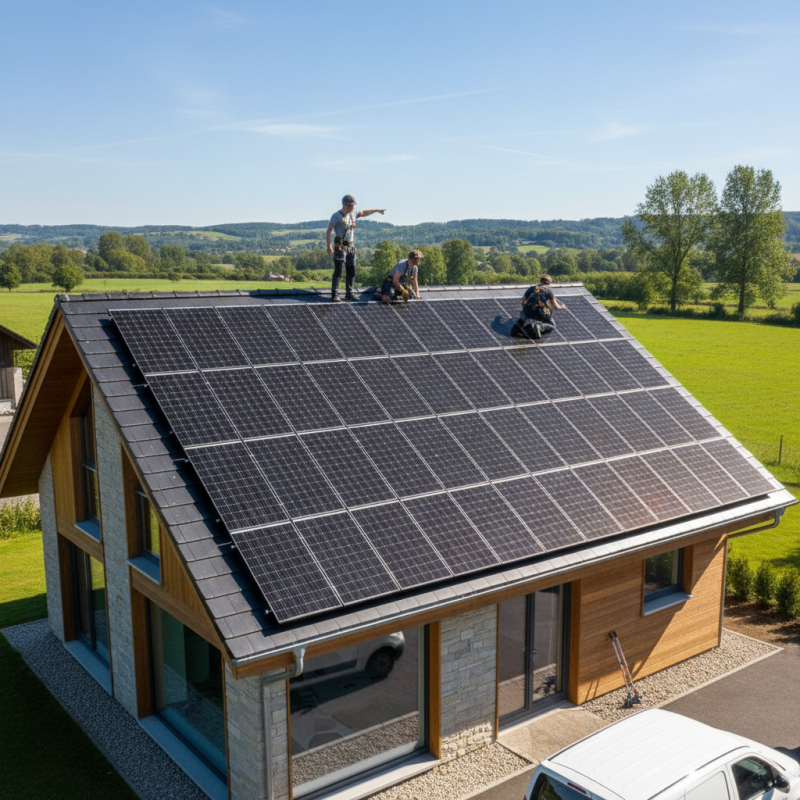
Installing solar panels on roofs has gained enormous popularity in recent years. As energy costs rise, homeowners seek eco-friendly options. According to Mark Johnson, a leading expert in solar energy, “The future of home energy lies in proper installation.” His insight emphasizes the need for careful planning in installing solar panels on roofs.

Finding the right spot on a roof is crucial. A south-facing slope often receives the most sunlight. However, shading from trees or nearby buildings can complicate installation. Ensuring a solid and structurally sound roof is also important. Often, a roof in poor condition may need repairs before solar panel installation begins.

Every installation process carries its challenges. Some may face issues with local regulations or permits. Others might struggle to find a reputable installation company. The key is research and preparation. Equipped with the right information and guidance, homeowners can successfully navigate the complexities of installing solar panels on roofs.
10 Best Tips for Installing Solar Panels on Roofs

Understanding Different Types of Solar Panels for Roof Installation
10 Best Tips for Installing Solar Panels on Roofs

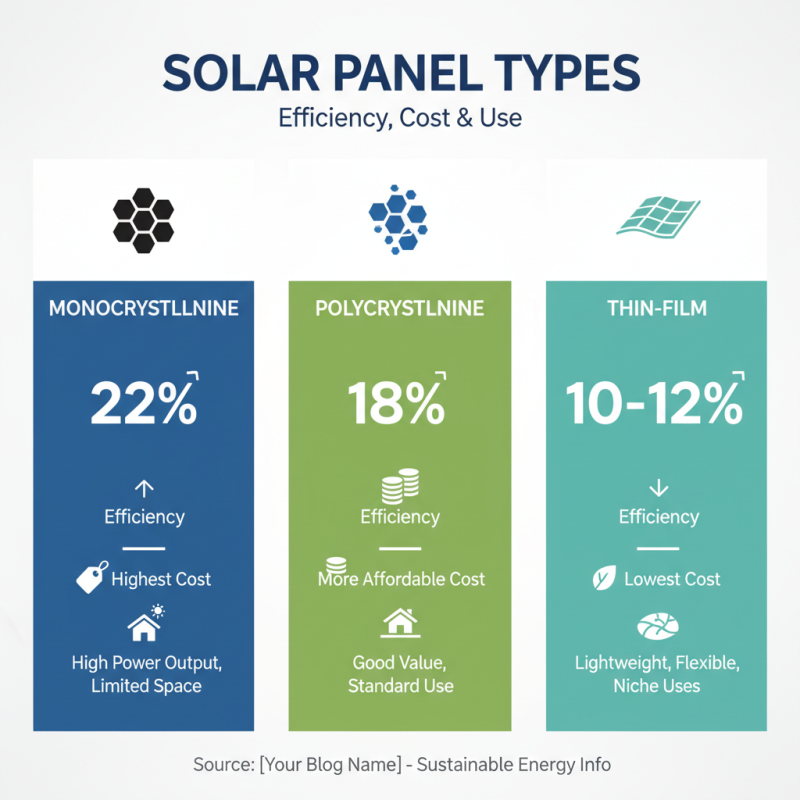
When considering solar panels for roof installation, understanding the different types is crucial. There are essentially three major types: monocrystalline, polycrystalline, and thin-film solar panels. Monocrystalline panels are known for their high efficiency, reaching up to 22%. However, they can be more expensive. Polycrystalline panels, while slightly less efficient at around 18%, offer a more budget-friendly option. Thin-film panels are lightweight and versatile. They are less efficient, usually around 10-12%, but can be ideal for specific situations.

The choice of solar panel impacts overall energy production. A recent report by the National Renewable Energy Laboratory (NREL) indicates that inefficiencies in panel selection can lead to 20-30% less energy generation. This can affect long-term savings. Property owners should also consider roof orientation and shading when selecting panels. Sometimes, monocrystalline panels might not always be the best fit. Assessing local weather conditions can help determine the ideal type of panel for your needs and environment.

While installation is significant, maintenance should not be overlooked. Proper cleaning can enhance efficiency by up to 5%. However, many homeowners neglect this aspect. Ignoring it may lead to reduced performance over time. Different panels require varying levels of maintenance, which should factor into your decision-making process. Understanding these subtle nuances ensures you choose the right solar panel solution for your roof.

Assessing Roof Suitability and Structural Integrity for Solar Panels

Assessing roof suitability and structural integrity is crucial before installing solar panels. Start by checking the age and condition of your roof. If it’s older, repairs might be necessary. A strong roof can support the weight of solar panels. Look for any signs of damage or deterioration. Cracks and leaks can complicate installation.

Inspecting roof pitch is essential too. A steep roof might be ideal but can present safety challenges. A gentle slope can work well, but ensure that sunlight can reach the panels. Adequate sun exposure affects performance significantly.

As for tips, consider hiring a professional to evaluate the roof. They can provide insights that might be missed. Evaluate the orientation of your roof. South-facing roofs tend to capture more sunlight. Lastly, check local regulations. Not all areas allow solar panel installations without permits. This can lead to complications later on.

Assessing Roof Suitability for Solar Panels

Choosing the Right Time for Solar Panel Installation on Roofs

Choosing the right time for solar panel installation is crucial. Spring and early summer are often ideal. The weather is generally stable and sunny. Installation can be completed quickly in mild temperatures. However, rushing can lead to mistakes. It's important to plan ahead and allow for unexpected delays.

Consider the location and angle of your roof. Certain seasons may not provide optimal sunlight for your specific area. You should assess the shading from nearby trees. If the roof is too shaded during installation, performance may suffer. Also, be aware of local building codes and regulations. These can affect your timeline and planning process.

Monitoring installation conditions is necessary. Heavy rain or extreme heat can complicate the process. Assessing your roof's condition beforehand is important too. A weak roof can lead to complications down the line. Make sure everything is in proper shape. This careful consideration can result in a more effective solar system.

10 Best Tips for Installing Solar Panels on Roofs - Choosing the Right Time for Solar Panel Installation on Roofs

Tip Number Tip Description Best Time to Install Weather Considerations
1 Assess Roof Condition Early Spring Clear and dry weather
2 Evaluate Sunlight Exposure Late Spring Longer sunny days
3 Choose Experienced Installers Early Summer Mild temperatures
4 Check Local Regulations All Year Round N/A
5 Consider Roof Angle Mid-Summer Stable weather
6 Maximize Roof Space Fall Dry conditions
7 Plan for Future Upgrades Autumn No heavy rain expected
8 Consider Incentives and Rebates Year-Round N/A
9 Monitor Installation Progress Spring to Fall Mild weather
10 Schedule Routine Maintenance After Installation Clear weather preferred

Step-by-Step Guide to Installing Solar Panels: Tools and Techniques

Installing solar panels on your roof can be an exciting project. Start by assessing your roof’s condition. Check for leaks or damage. A stable roof is crucial for solar panel installation. If repairs are needed, take care of those first. Understand your roof's angle and orientation. This will affect energy production.


Gather the necessary tools before you begin. You’ll need a ladder, a drill, mounting brackets, and solar panels. Having everything ready will save time. Pay attention to safety measures. Harnesses and protective gear are essential when working at heights. Measure spaces carefully for the panel layout. Mistakes can lead to inefficiencies later.


Installation itself requires patience. Follow the manufacturer’s guidelines closely. Incorrect installation can lead to problems down the line. It’s best to double-check connections. If something feels off, slow down and reassess. Not everything will go perfectly. Embrace these challenges as part of the learning process. Adjustments may be needed as you work. Every experience brings new insights, and that’s the essence of growth.

Navigating Local Regulations and Permits for Solar Panel Installation

Installing solar panels on roofs is a great step towards sustainability. However, navigating local regulations and permits can be challenging. Each locality has its own set of rules, which can affect your installation process. A report from the Solar Energy Industries Association indicates that understanding these regulations can expedite your project by up to 30%.

Before beginning, check with your local authority. Some areas require specific permits, while others may have zoning laws. It's crucial to gather all the necessary information beforehand. This helps avoid potential delays during installation. Research local incentives, like tax credits, which can reduce overall costs.

When preparing your installation, seek professional guidance. Experts can help interpret regulations. They understand the nuances of local codes. Also, engage with your neighbors. They may have valuable insights based on their experiences. Communication can ease concerns and foster a supportive environment for your solar project.

Be patient. Regulations can feel overwhelming at times. Yet, taking the time to understand them pays off in the long run. A well-executed solar installation not only saves money but also contributes to a cleaner environment.