What is the Best Solar Panels for Home Use in 2026?
In the quest for sustainable energy, homeowners are increasingly turning to solar panels for home use. In 2026, choosing the right solar panel can feel overwhelming. There are many options available, and each has its pros and cons.
Dr. Emily Carter, a leading expert in renewable energy, states, “Selecting solar panels for home use requires careful consideration of efficiency and warranties.” This highlights the need for thorough research. Many homeowners may find themselves confused by technical specifications and pricing.
Although solar panels offer great potential, not all products are equal. Some may not perform well under certain conditions. It's essential to evaluate the unique needs of your household. Finding the right fit requires understanding both your energy consumption and your local climate. The right solar panels for home use can lead to significant savings and a smaller carbon footprint, but the selection process needs to be approached thoughtfully.
What Factors to Consider When Choosing Solar Panels for Home Use
When choosing solar panels for home use, several factors play a crucial role.
Efficiency is essential. Higher efficiency means more energy production. Many panels convert sunlight to electricity better than others. However, an affordable option often sacrifices performance. Finding a balance is key.
Durability is another important aspect. Solar panels endure harsh weather. They face rain, hail, and wind. A less durable panel may break down earlier, leading to additional costs. Check warranties. Longer warranties often indicate better quality. Performance guarantees are equally vital.
Aesthetics shouldn’t be overlooked. Solar panels vary in appearance. Some blend into roofs, while others stand out. The visual aspect matters, especially in residential areas. Moreover, installation costs can vary significantly. Research installation options thoroughly to avoid hidden fees. Also, think about local regulations. Different areas have unique guidelines that may affect your choices.
Top Solar Panel Brands for Residential Installations in 2026
As solar technology advances, choosing the right solar panels for home use becomes crucial. In 2026, several top brands stand out for residential installations. Research indicates that efficiency ratings, durability, and warranty offerings are key factors to consider. Many panels boast efficiency rates above 20%, which maximizes energy output for homeowners.
A study by the Solar Energy Industries Association highlights that homeowners can expect an average annual energy savings of about 20-30% with top-performing panels. These figures often reflect optimal solar conditions, but regional climate variations can impact efficiency. For instance, homes in sunnier areas may see more significant savings than those in less favorable positions. Additionally, some panels might not perform as well in shaded locations, which are common in urban areas.
Installation practices also affect performance. Quality installation can lead to gains of 10% or more in overall efficiency. Homeowners should strive to find skilled installers who understand these nuances. Choosing the right inverter and monitoring systems can further optimize energy capture, but these details are often overlooked. Making informed decisions in this evolving market is essential for maximizing benefits and minimizing regrets.
What is the Best Solar Panels for Home Use in 2026? - Top Solar Panel Brands for Residential Installations in 2026
| Panel Type |
Efficiency (%) |
Warranty (Years) |
Price per Watt ($) |
Temperature Coefficient (%/°C) |
| Monocrystalline |
22.1 |
25 |
0.70 |
-0.30 |
| Polycrystalline |
19.9 |
25 |
0.60 |
-0.40 |
| Bifacial |
21.5 |
30 |
0.75 |
-0.32 |
| Thin-Film |
14.0 |
20 |
0.50 |
-0.20 |
| Convertible |
23.0 |
25 |
0.80 |
-0.28 |
Efficiency Ratings: Comparing Solar Panel Performance for Homeowners
When choosing solar panels for home use,
efficiency is a critical metric. Homeowners need panels that convert sunlight into usable energy effectively. Current reports show that the highest efficiency ratings for residential solar panels reach up to
22%. This means more energy production from the same space.
Cost considerations are also vital. While high-efficiency panels can deliver substantial savings on energy, their upfront costs can be considerable. Some studies indicate that homeowners might recoup their investment within
5 to 10 years. However, this timeline can vary significantly based on local energy prices and available incentives.
It’s important to reflect on the potential drawbacks. Sometimes, the promises of high efficiency do not align with long-term performance. Outside factors like weather and shading can impact actual output. Moreover, some homeowners may experience diminishing returns if their roof space is limited. The trade-off between efficiency and affordability warrants careful consideration.
Cost Analysis: Investment and Savings from Solar Panels in 2026
In 2026, investing in solar panels will be a pivotal decision for homeowners. According to the latest industry research, the average cost of solar panel installation will range from $15,000 to $25,000. This price reflects advancements in technology and increased efficiency. Homeowners can expect an average payback period of 5 to 7 years. This investment leads to significant long-term savings.
The U.S. Department of Energy estimates that homeowners can save about $20,000 over 20 years with solar energy. Keeping energy bills low is essential for many families. In 2026, the average homeowner's electricity costs will likely increase by 3% annually. Solar energy mitigates these rising expenses. Notably, solar panel efficiency continues to improve, now exceeding 22% for many models. However, the initial investment remains a barrier for some.
Despite these savings, not all homeowners are ready to transition. Factors include financial constraints and limited sunlight in some regions. It's crucial to examine your specific circumstances before choosing solar. A detailed cost-benefit analysis is essential. This process ensures that homeowners understand potential returns versus upfront costs. Investing in solar energy is a promising trend, but it requires careful consideration.
Cost Analysis: Investment and Savings from Solar Panels in 2026
Future Trends in Solar Panel Technology: What Homeowners Should Expect
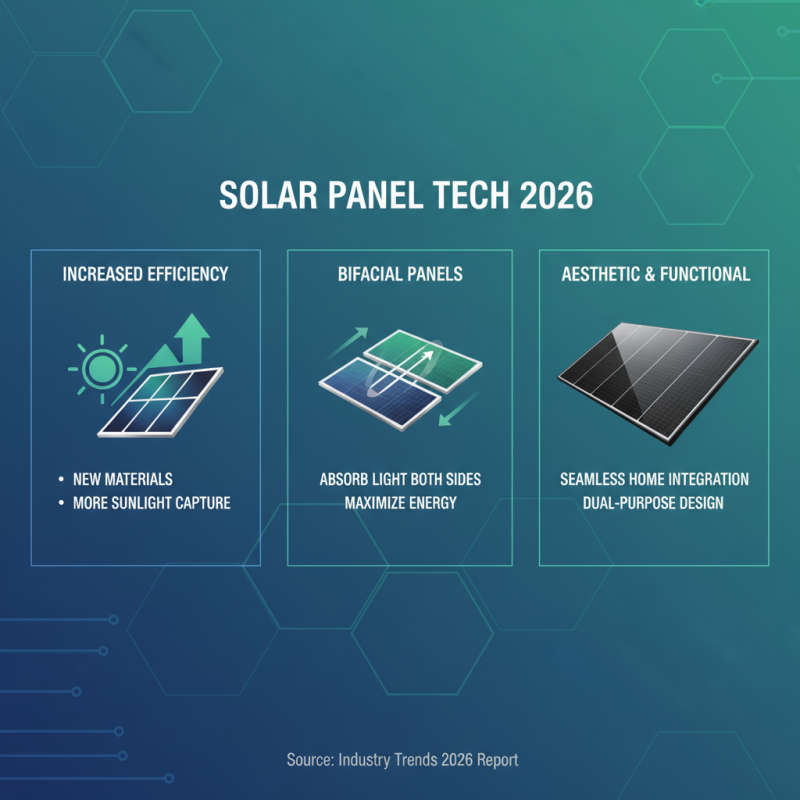
As we look toward 2026, solar panel technology is evolving rapidly. Homeowners can expect significant advancements in efficiency and design. New materials are being developed, allowing panels to capture more sunlight. Innovations like bifacial panels are gaining traction. These panels can absorb light from both sides, maximizing energy production. This is not just about aesthetics; it's about functionality.
Integrating solar panels into roofs is becoming more common. This trend helps in preserving space and enhancing home designs. However, the installation can be tricky. Homeowners need to consider structural changes to their roofs. This could lead to unexpected costs. Additionally, energy storage solutions are improving. Home batteries are becoming more efficient and affordable, yet they still have limitations. Long-term storage remains a challenge that requires further innovation.
While these advancements are promising, they come with hurdles. Many homeowners might feel uncertain about the upfront investments. There is also the consideration of local regulations and incentives. These factors can influence the decision-making process. Understanding the benefits and potential drawbacks is crucial. Homeowners should stay informed about these emerging trends, weighing their options carefully as the solar landscape evolves.