What is the Best PV Panels for Global Buyers?
In the pursuit of sustainable energy, selecting the best PV panels is crucial for global buyers. Experts like Dr. Emily Chen, a leading solar energy researcher, emphasize, "The efficiency and durability of PV panels can significantly impact energy output." As renewable energy demand grows, understanding different panel types is essential.
Buyers must navigate various options when choosing PV panels. Factors such as efficiency ratings, warranty periods, and price can complicate decision-making. Dr. Chen notes that while the cheapest option may attract buyers, it could lead to regrets down the line. The long-term performance of PV panels is not to be overlooked.
Global markets exhibit diverse needs, making it essential for buyers to do thorough research. Evaluating manufacturers and their reputations can reduce uncertainties. Ultimately, informed choices lead to better investments in solar technology, propelling the transition to cleaner energy sources. The right PV panels can make all the difference.
Types of PV Panels Available for Global Buyers
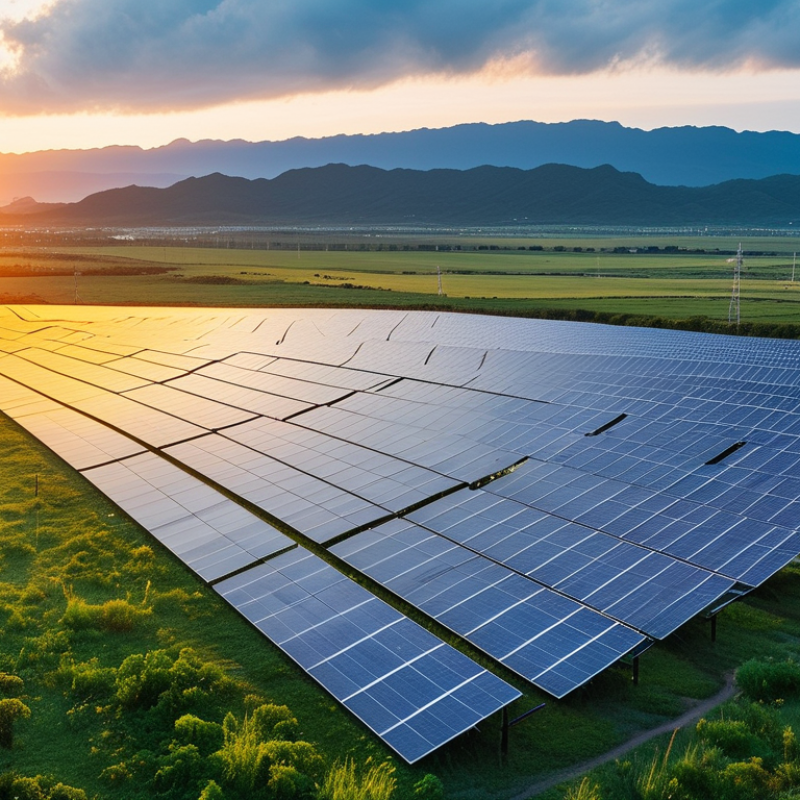
When exploring the types of photovoltaic (PV) panels available for global buyers, it's essential to understand the main categories: monocrystalline, polycrystalline, and thin-film panels. Monocrystalline panels are well-known for their high efficiency rates, often exceeding 20%. They are made from single-crystal silicon, which allows them to produce more electricity in limited space. This is especially beneficial for residential installations.
Polycrystalline panels, on the other hand, are generally less expensive but slightly less efficient, typically ranging from 15% to 19%. They are produced from multiple silicon crystals and tend to be easier to manufacture. Thin-film panels are lighter and more flexible, offering versatility for various applications, but they often have lower efficiency rates, averaging around 10% to 12%.
Choosing the right type involves considering installation space, budget, and application needs. Local sunshine levels also play a significant role in performance. Understanding these aspects can help buyers make informed decisions.
To maximize value, perform regular maintenance on your PV system. This ensures optimal performance and longevity. Additionally, analyze your energy consumption patterns. Tailoring your PV system to fit your actual needs will avoid underperformance or overspending. Remember to compare warranties offered for different panel types, as these reflect the manufacturer's confidence in their product's durability.
Key Factors to Consider When Choosing PV Panels
When selecting photovoltaic (PV) panels, buyers must consider several key factors.
Efficiency is crucial. Higher efficiency means more sunlight converted to electricity. Look for panels with a high efficiency rating. This ensures you get the most output, especially in limited space. A typical panel can have an efficiency ranging from 15% to 22%. Understanding this range is essential.
Another important factor is durability. PV panels face harsh weather conditions. Consider panels rated for extreme temperatures, hail, and heavy rain. A good warranty can also indicate reliability. Generally, a 25-year warranty is standard. However, the longevity of a panel may vary. Research real-world performance data to confirm expected lifespan.
Cost is often a decisive factor for many buyers. While it may be tempting to choose cheaper options, this can lead to regrets later. Cheaper panels may have lower efficiency and shorter lifespans. It’s wise to weigh the long-term costs versus initial savings. Investing in quality panels often pays off over time. Reflect on how much power you actually need. Making informed choices leads to better outcomes.
Top Brands in the Solar PV Market
When exploring the solar PV market, several brands consistently stand out. These brands have established themselves with years of experience and a wide range of products. The solar panels they offer vary in efficiency, durability, and price. Buyers often feel overwhelmed by the choices available. It’s essential to recognize which features matter most for different applications, such as residential or commercial installations.
Cost is a significant factor in choosing PV panels. Many brands provide budget-friendly options, but these can sometimes compromise efficiency. It’s not uncommon to find buyers who wish they had invested a bit more in higher-quality panels. People often prioritize upfront costs over long-term savings. This decision can affect overall performance and lifespan of the panels.
Sustainability is also a crucial consideration. Numerous top brands emphasize eco-friendly practices in their production processes. However, not all brands are transparent about their sustainability efforts. It’s important for buyers to research and reflect on the environmental impact of their choices. Often, consumers regret not digging deeper into the manufacturing processes behind their selected panels. Each buyer's situation is unique, making informed decisions essential for maximizing both performance and environmental benefits.
Top Solar PV Modules Efficiency Ratings
Comparative Analysis of PV Panel Efficiency
When considering the efficiency of photovoltaic (PV) panels, various factors come into play. Key metrics include conversion efficiency, power output, and temperature coefficient. Conversion efficiency indicates how well a panel converts sunlight into electricity. This is crucial for maximizing energy yield in limited space. Power output is often related to the panel's size, influencing installation decisions.
Not all high-efficiency panels are equally reliable under different conditions. Some may perform excellently in optimal sunlight but struggle in cloudy environments. Temperature coefficient further complicates matters. Panels with lower temperature coefficients lose less efficiency under heat. It's essential to evaluate these characteristics against your region's climate.
Buying choices must be grounded in thorough research. Many factors influence the best choice for your needs, including installation location and local regulations. Consider the environmental impact and sustainability of materials used. The complexity of this landscape highlights the importance of expert insights. Reflecting on each variable is vital. Ultimately, finding the right PV panel requires careful analysis and a willingness to learn from past mistakes.
Cost Considerations and Return on Investment for PV Panels
The shift towards solar energy is becoming undeniable. Cost is a primary concern for global buyers of photovoltaic (PV) panels. According to the International Renewable Energy Agency (IRENA), the average cost of solar PV systems has dropped by 89% since 2010. However, these numbers can vary significantly based on the region and technology used. Buyers need to evaluate the long-term return on investment (ROI) rather than just initial expenses.
Consider maintenance costs when calculating ROI. Regular upkeep can enhance efficiency and lifespan. For example, a well-maintained system can yield an ROI of around 20% to 30% over 25 years. Knowing this, prospective buyers should not only focus on the panel price. They should analyze installation fees, potential savings on electricity bills, and financial incentives available in their area.
Assessing energy consumption patterns is crucial. Buyers must understand their specific needs. Even high-quality panels can underperform if not matched to the home’s energy usage. Reflect on this: Are your current energy expenses justifiable against your potential solar savings? Understanding these aspects can help guide your purchasing decisions to ensure a meaningful investment in solar technology.