Top Benefits of Installing Solar Array for Home Power Supply?
The integration of a solar array for home power supply has become increasingly popular among homeowners seeking sustainability. Renowned energy expert Dr. Emily Watts emphasizes this shift, stating, “Solar arrays can drastically reduce energy costs while enhancing eco-friendly living.”
Installing a solar array for home use can lead to significant financial savings. Homeowners can significantly decrease their electricity bills. However, initial installation costs can be daunting. It may take time for the savings to outweigh the upfront expenses. It’s crucial for potential buyers to evaluate their own energy consumption needs.
Moreover, the environmental benefits are compelling. Solar arrays reduce reliance on fossil fuels. Yet, not all homes are suited for solar installations. Factors such as roof orientation and local regulations must be considered. Homeowners should conduct thorough research to make informed decisions about adopting solar solutions.
Overview of Solar Array Technology and Its Functionality
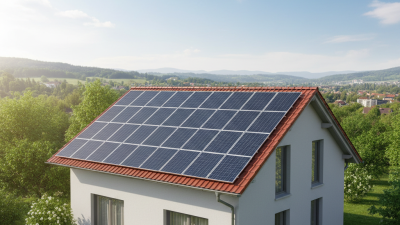
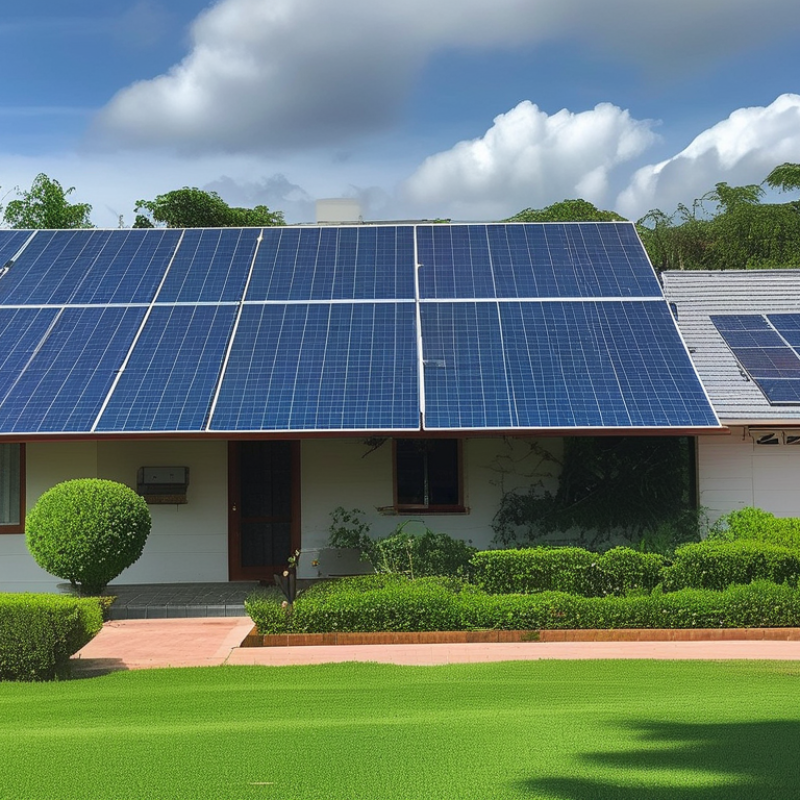
Solar array technology uses photovoltaic cells to convert sunlight into electricity. These systems gather solar energy and turn it into power for homes. They can dramatically reduce energy bills and provide independent power. Homeowners can produce their own energy, offering peace of mind. Solar arrays typically consist of multiple solar panels arranged in a grid-like pattern. This technology is reliable, and the systems can last for decades.
The installation process requires careful planning. Factors like roof orientation, shading, and local climate influence the system's efficiency. Finding the right angle for the panels maximizes sunlight absorption. Potential issues include maintenance or damage from severe weather. Homeowners need to consider ongoing maintenance requirements alongside the initial costs. While solar arrays offer many benefits, understanding their limitations is crucial.
Another aspect to reflect on is energy storage solutions. Many solar systems rely on batteries to store power for use at night. These batteries can add to the overall investment. Some homeowners may find that these storage options are not always efficient. Balancing the pros and cons is key. Each home's energy needs are unique, requiring tailored solutions.
Key Financial Benefits of Installing Solar Arrays for Home Use
The financial benefits of installing solar arrays for home use are significant. According to the Solar Energy Industries Association, homeowners can save up to 20-30% on electricity costs after installing solar panels. This translates to hundreds of dollars saved annually. As electricity rates rise, homeowners who invest in solar can enjoy even more substantial savings over time.
Additionally, solar installations may increase property value. A study by Zillow revealed that homes with solar panel systems sell for about 4.1% more than similar homes without solar. This increase can be a considerable financial advantage if a homeowner decides to sell in the future. Moreover, state and federal incentives can make solar panels even more attractive. Tax credits can cover as much as 26% of installation costs.
Despite these benefits, not every household finds solar economically viable. High upfront costs can deter potential buyers. Furthermore, the efficiency of solar panels depends on sunlight availability, which varies by location. Homeowners need to weigh these factors before making a decision. Understanding local energy costs and available incentives will play a crucial role in assessing the overall financial impact.
Environmental Impact: How Solar Arrays Reduce Carbon Footprint
The adoption of solar arrays significantly lowers household carbon footprints. According to the U.S. Department of Energy, each kilowatt-hour of solar energy produced can prevent roughly 1.5 pounds of carbon dioxide emissions. This reduction is crucial as the global push to cut greenhouse gases intensifies. As more homes transition to solar power, the collective impact can be profound.
Solar arrays also lessen dependence on fossil fuels. By harnessing sunlight, a renewable resource, homes can decrease their reliance on carbon-intensive energy sources. The Environmental Protection Agency highlights that renewable energy sources accounted for about 20% of the total U.S. electricity generation in 2021. While progress is being made, increasing solar power adoption remains vital for environmental sustainability.
Consider your local climate before installation. Areas with higher sun exposure yield better returns. Sunlight hours vary across regions, impacting solar efficiency. Assess your energy needs thoroughly. A professional consultation can provide tailored recommendations. It’s important to reflect on your energy consumption patterns. Examine your current electricity usage to better understand how much solar power you may need.
Energy Independence: Reducing Reliance on Traditional Power Sources
Energy independence through solar power is a crucial benefit for homeowners. By installing a solar array, homes can significantly reduce their reliance on traditional energy sources. This shift not only diminishes electricity bills but also insulates homeowners from fluctuating energy costs. When storms or fuel shortages hit, a solar system can continue to provide power.
The installation of a solar array enables families to harness sunlight for their energy needs. Imagine waking up to free electricity generated from your rooftop panels. Families can power their homes, use appliances, or charge electric vehicles without worrying about external energy providers. However, challenges exist. Initial installation costs and varying sunlight exposure can deter some homeowners. It’s essential to evaluate local climate conditions and financial incentives for solar energy.
Transitioning to solar power may seem daunting, but the long-term benefits are substantial. Solar energy not only promotes environmental sustainability but also enhances personal energy resilience. Homeowners should weigh potential issues, such as maintenance and system efficiency, while considering this empowering shift. A better understanding of these factors helps families make informed decisions about their energy future.
Top Benefits of Installing Solar Array for Home Power Supply
| Benefit |
Description |
Estimated Savings ($/Year) |
Environmental Impact (CO2 Reduction, lbs/Year) |
| Energy Independence |
Reduces reliance on fossil fuels and traditional power sources. |
1,200 |
5,500 |
| Cost Savings |
Lower energy bills and potential tax incentives. |
900 |
4,000 |
| Increased Home Value |
Homes with solar installations typically have higher resale values. |
1,500 |
6,000 |
| Energy Resilience |
Provides reliable power during outages and emergencies. |
1,000 |
4,500 |
| Sustainability |
Contributes to sustainable living and helps combat climate change. |
- |
7,000 |
Incentives and Tax Credits for Home Solar Installations
In recent years, the push for renewable energy has led to significant incentives for homeowners to install solar arrays. According to the Solar Energy Industries Association (SEIA), more than 3 million homes in the U.S. now have solar panels. This growth is partly due to the federal solar investment tax credit (ITC). Currently, homeowners can receive a tax credit of 26% of the installation cost, which can significantly reduce upfront expenses.
State-level incentives further enhance this appeal. Some states offer rebates that cover a portion of installation costs, while others have programs for net metering. Homeowners can sell excess energy back to the grid, often resulting in savings on monthly bills. The potential for long-term energy savings is exceptional. However, some homeowners may face challenges with upfront costs or complicated application processes for these incentives.
Research shows that in many areas, solar installations increase property values. A study by the Lawrence Berkeley National Laboratory found that homes with solar panels sold for an average premium of about $15,000. Yet, not all regions provide the same level of financial incentive. It's crucial for homeowners to research local policies and calculate the potential return on investment. Understanding these factors can help balance the initial investment against future savings and the long-term benefits of solar energy adoption.
Top Benefits of Installing Solar Array for Home Power Supply